Tag: writing-tips

  • Finding language to tell this story

    Finding language to tell this story

    It can take a lot of energy to describe things and search for the right words, even when it comes to experiences we’re intimately familiar with. However, it can make a difference to give yourself permission to practice and explore within a space where there’s less pressure.

    Here’s an idea you can try. This exercise invites you to explore the subtle differences in how we perceive and describe shared experiences, ultimately helping you to find language for your own story.

    1 – Think of a recent, neutral or positive experience with someone else, like a dinner conversation or a trip to the grocery store. Write down 3-5 words that describe the overall feeling or atmosphere of that experience (e.g., relaxing, warm, busy). Don’t worry about being creative—just note what comes to mind.

    2 – Reach out to the person you shared the experience with. Explain you’re doing a journaling exercise: “Random question. What 3-5 words describe [briefly describe the experience] for you? I’m doing a quick journaling exercise.”

    3 – Compare your lists. Take note of word similarities and differences. Do they highlight different parts of the experience?

    4 – Observe even in shared experiences, we each perceive, describe, and tell stories differently.

    Alternative Exercise: Describe an experience today using 5 words. In 3 days, describe the same experience again without looking at your original words. Did anything change?

    Why This Matters: This exercise helps you validate your voice by showing how we all perceive and describe even simple experiences differently.

    This can have a profound impact on the stories we tell. When you can acknowledge and embrace these differences, it creates an opportunity for deeper connections and an opportunity to grow in confidence and it also allows you to connect more deeply with others and learn how they tell stories. You can start to notice your unique way of finding language for a store by noticing the subtle differences in how you (and others) describe even the most simple things.

    -Morgan Harper Nichols

    If you’re interested in finding language to tell stories (through journaling, letter-writing, or creative or professional work) join me for an in-person writing workshop in Atlanta, Georgia on July 26! Tickets
  • Embracing the depths of your story

    Embracing the depths of your story

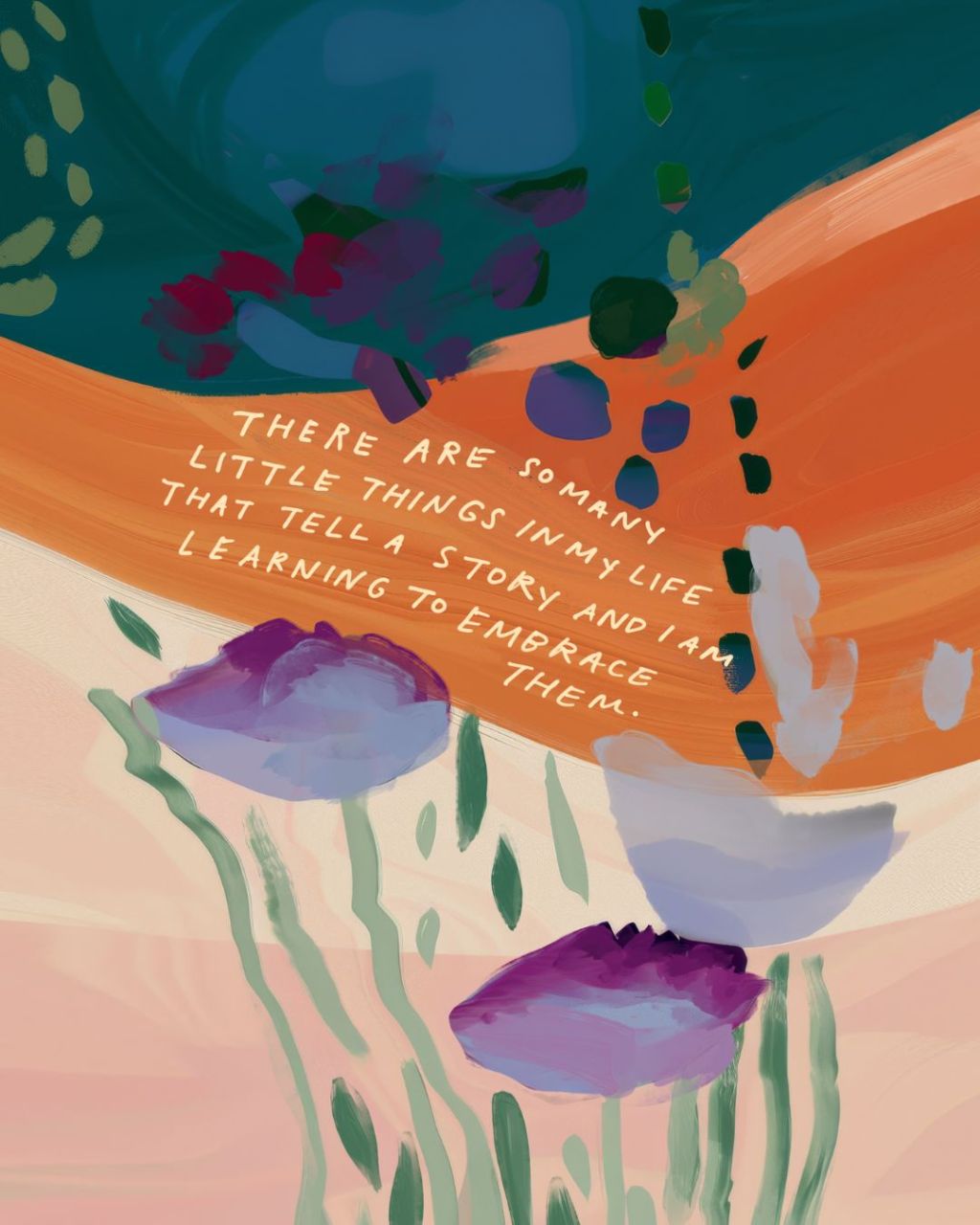
    If you were to think of your life as a story, there are likely chapters that you could easily recite over and over. For some, it might be the story of how you grew up, and for others, it might be the story of how you ended up in the city you’re currently in or the story of your middle name. These stories become a part of us in a way that can be very useful. This is especially true if you have parts of your story that people might not be familiar with, such as having a rare name or being from a small town that few have heard of. However, one of the challenges of having familiar stories is that they can feel fixed and stuck in time. You may even get tired of telling other people the same old stories. You may even get tired of telling those stories to yourself, too. So what can you do?

    Here’s something you can try:

    Think of a book you’ve read where you’ve been able to watch or read an interview that features the author of the book. It’s likely that upon listening to them talk about the story and its characters, you learned something new about the book when hearing them dive into all of the details that weave the story together, even if it’s not written on a page. They share details that only they know because they’re the only ones who have been telling that story. What if––if only for a moment––you could imagine yourself as the author of a fictional book you’re writing, where you’re sharing the behind-the-scenes later on:

    What are some details of your life that may have been overlooked or forgotten? What are the untold stories and hidden layers that add depth and richness to the narrative? The details you might share face-to-face or with certain people? The things that were beautiful and meaningful but hard to put into words?

    You don’t have to put words into a perfectly publishable narrative to take a moment to reflect on the details. Even just acknowledging them is a way to be reminded that your story is alive with a richness that is worth paying attention to.

    May the hidden layers of your story help you realize the depths of it. – Morgan Harper Nichols